

Most saving advice boils down to spending less on the things you enjoy. Cancel your streaming subscriptions, stop buying coffee, cook every meal at home. It works, but it also makes saving feel like punishment, which is why most people give up on it. There’s a better way. Here are five ways to save more
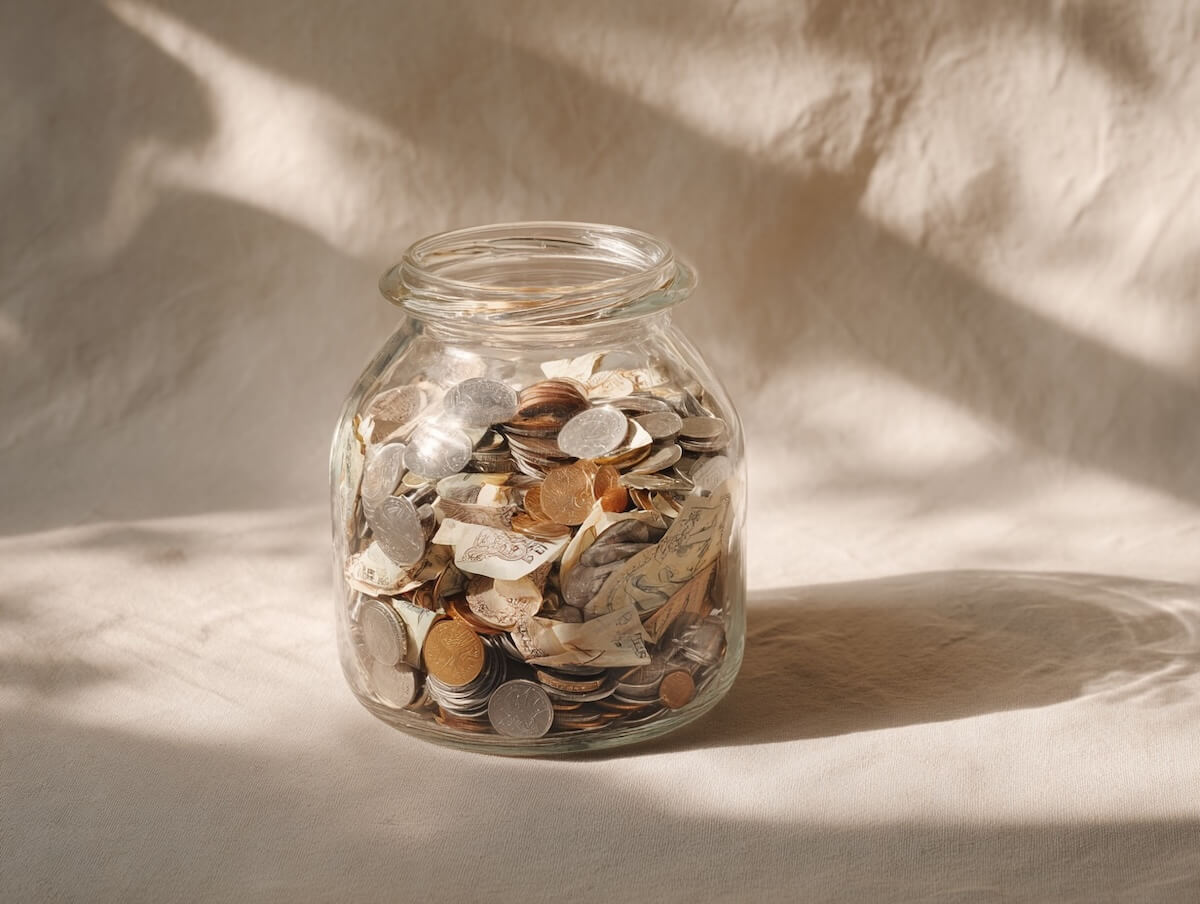
Everyone knows they should have an emergency fund. Very few people actually do. The advice usually sounds good in theory, save three to six months of expenses, but it can feel overwhelming when you’re staring at your current balance and wondering where you’d even begin. Here’s how to build one that actually holds up when

If you’ve ever looked into savings options, you’ve probably come across DPS and FDR. They’re two of the most common ways to grow your money over time, but they work very differently. Choosing the right one depends on your goals, your timeline, and how much flexibility you want with your money. What a DPS actually
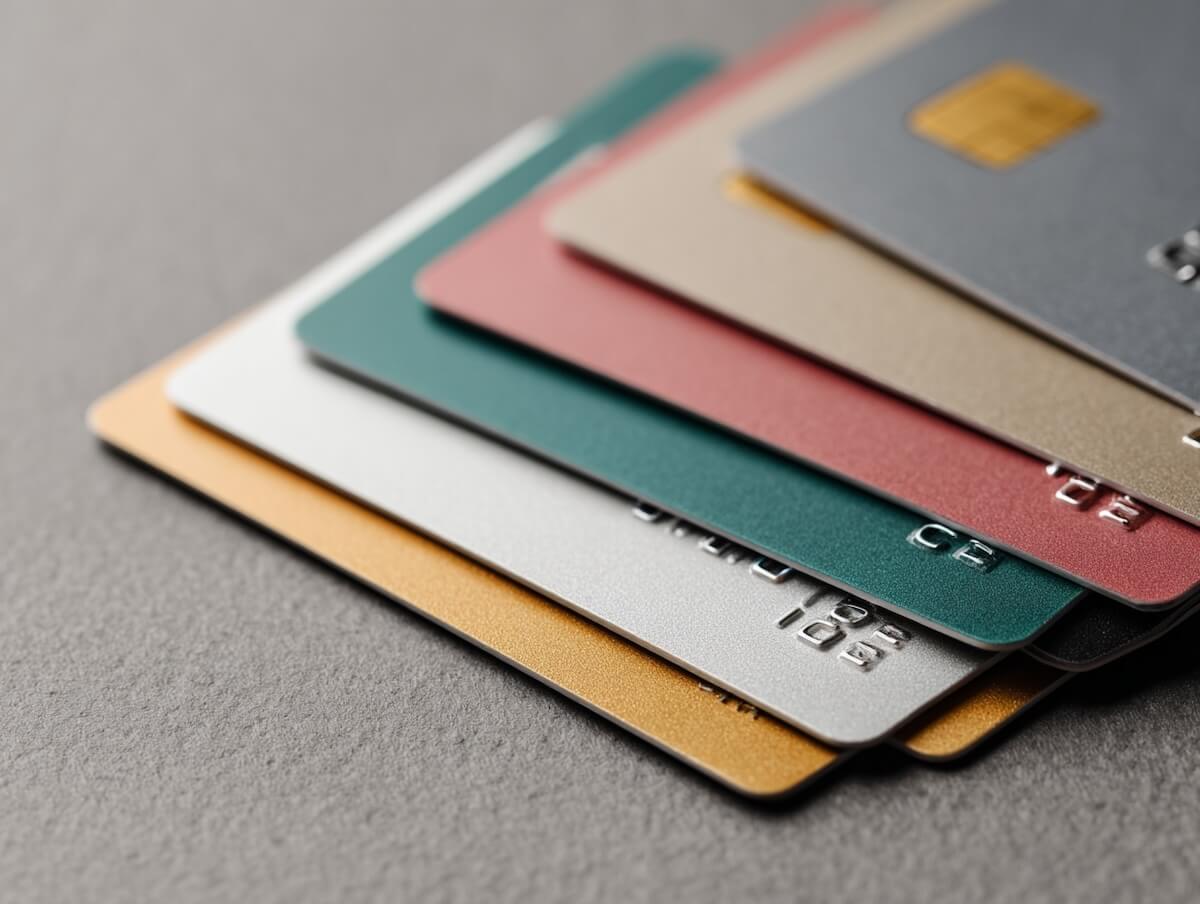
Having several bank accounts sounds like a smart way to stay organized. One for bills, one for savings, one for spending, maybe another for travel or a side project. In theory, it should give you more control. In practice, it often does the opposite, and quietly costs you more money than you realize. The fees
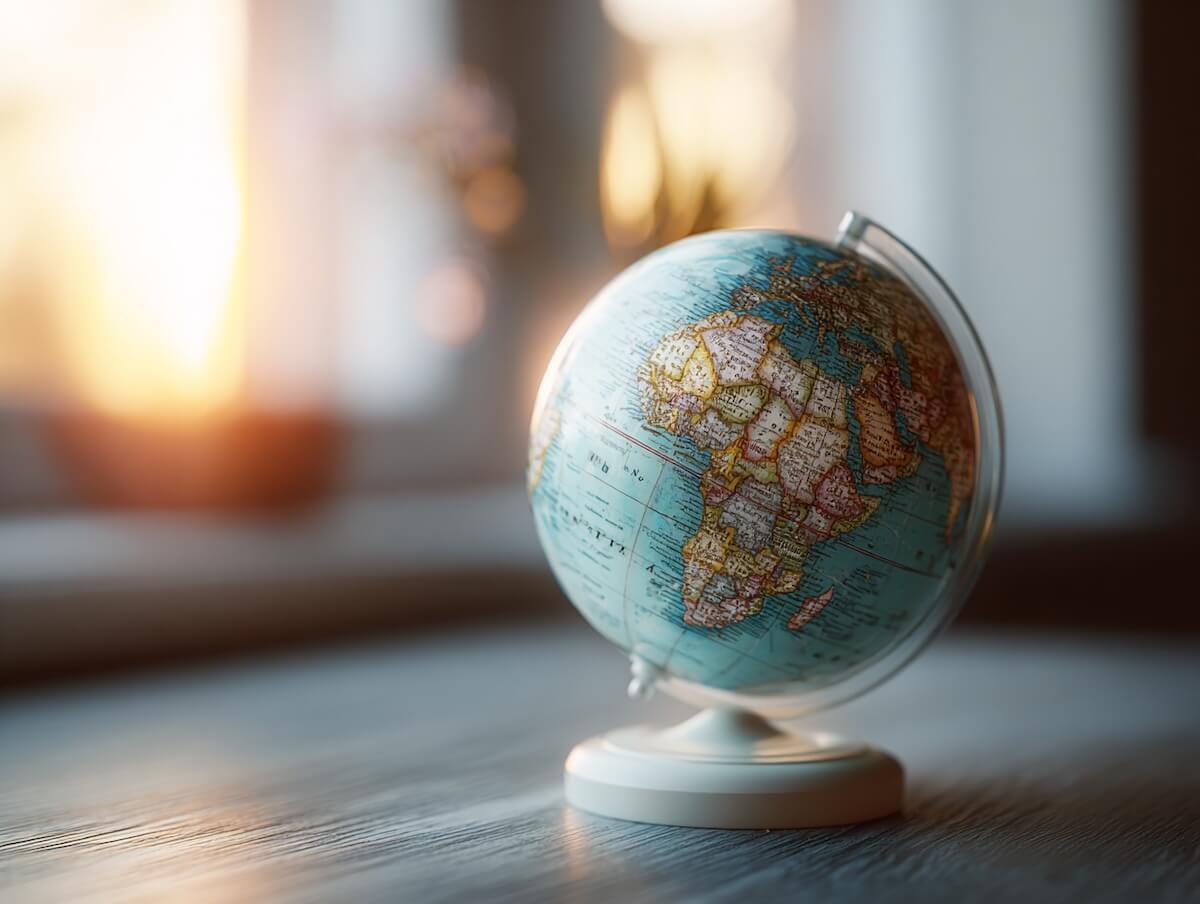
Sending money across borders used to mean a trip to the bank, a stack of paperwork, and a wait of several days before your recipient saw a penny. That’s changed, but the world of international transfers is still full of hidden fees, confusing exchange rates, and small details that can quietly cost you a lot.
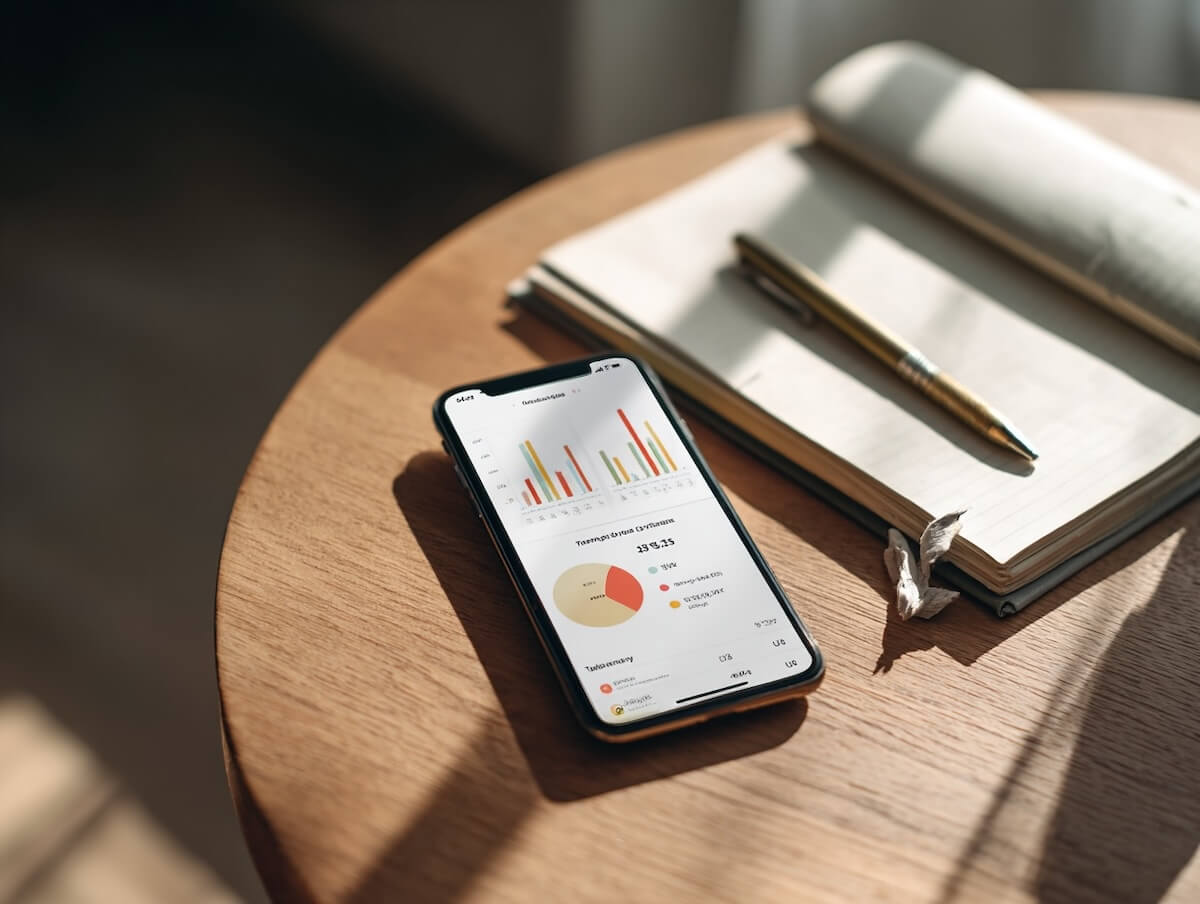
Most people don’t have a spending problem. They have a visibility problem. Without a clear picture of where your money goes each month, even small, harmless looking purchases can quietly add up to hundreds of dollars you never planned to spend. That’s why expense tracking isn’t just a budgeting tactic, it’s the foundation everything else